
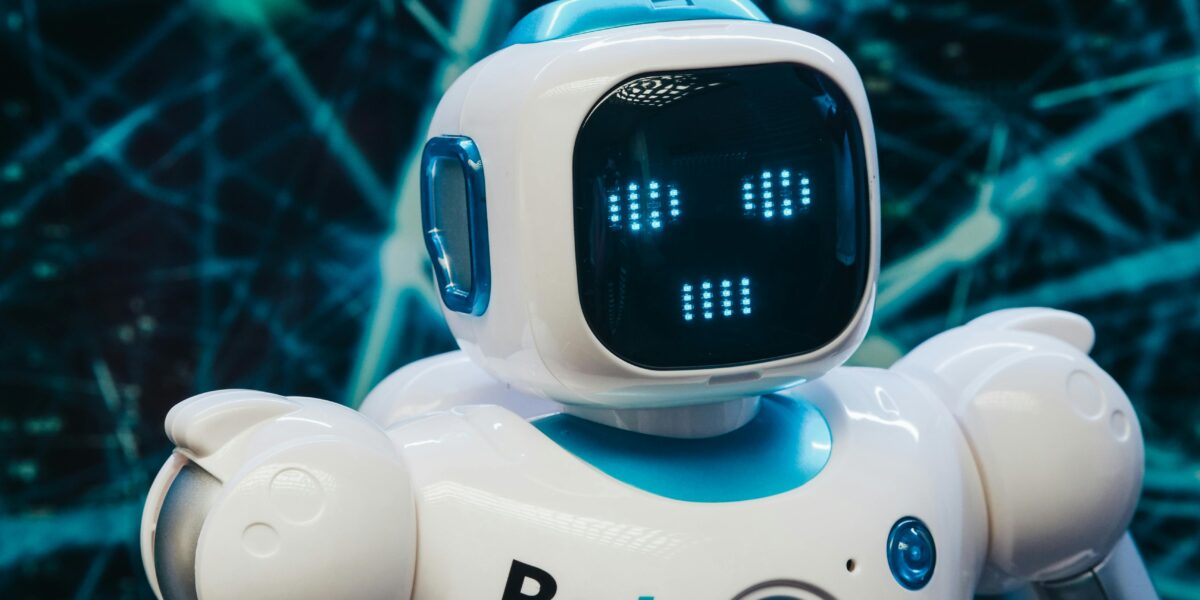
The term hybrid service model once had a straightforward meaning in food service: guests ordered at a counter, found their own seat, and a runner delivered the meal. But as autonomous technology accelerates, “hybrid” has taken on a new dimension. Today, it signals a blend of human hospitality and tech‑driven efficiency — a model where people and machines share the workload to elevate speed, consistency, and guest experience
Building a Hybrid Service Model: Humans + Automation Working in Sync
A hybrid service model sounds like the ideal solution, but in order for it to work, the balance must be intentional. Lean too far into automation, and you lose hospitality; rely too much on people, and you lose efficiency. In high-volume environments like performing arts centers and convention centers, guest expectations continue to evolve – driven by everything from mobile convenience to premium experiential dining – operators are being pushed to rethink how service is delivered.
The Shift Toward Hybrid Service Models
A hybrid model blends technology-driven efficiencies with intentional human interaction. This may look like mobile ordering platforms, self-service kiosks, or an “Assisted Just Walk Out.”
Intermissions and convention breaks create intense, time-compressed demand. Automation reduces bottlenecks and shortens lines, and improves throughput during peak periods, which is critical when time is limited.
When automation handles transactional tasks, team members can focus on answering questions, resolving issues, and making recommendations. Guests who want interaction get a better version of it. Hospitality becomes more intentional.
The Risk: When Technology Creates Distance
When implanted poorly, it can create a sense of detachment, and guests feel like they’re navigating a system rather than being hosted.
Common drawbacks include:
- Over-reliance on kiosks with no visible staff support. Shifting from transactional roles to hospitality-focused roles isn’t automatic. Without proper training, you can end up with disengaged employees or missed opportunities for guest interactions.
- Poorly designed interfaces and apps that are confusing. Instead of reducing stress, the experience becomes more complicated, especially for the less tech-savvy guest.
- Treating automation as a cost-cutting measure rather than a service enhancement.
How to Determine the Right Balance
The most successful hybrid models are designed with a clear philosophy: technology should support hospitality, not replace it!
Map the full experience: arrival, pre-show, ordering, pickup, and returning to the event.
- Ask two key questions at each step:
- Where are guests losing time or being frustrated?
- Where could a human interaction elevate the experience?
- Analyze demand patterns and time constraints
- This is where venues get it wrong – pre-show and intermission function differently
- What should the experience feel like?
- High-touch and curated or fast and self-directed
- Test your implementation plan
- The right balance will emerge through iteration, not with upfront design
How can JGL Help Guide the Process
JGL partners with clients to deliver an objective assessment of the current operations. We can identify where automation would solve problems and where it won’t. We observe real-time programming and analyze data to pinpoint the missed opportunities. JGL will guide you with prioritizing what will have the biggest impact and what to implement first. We focus on guest experience and financial performance.
Conclusion
The right balance isn’t static; it shifts based on audience, event type, and time of day. Using automation should remove stress and inefficiency while intentionally preserving human interaction to create connection and trust.
Click HERE to connect with JGL