Maximizing Retail Revenue in Cultural Institutions
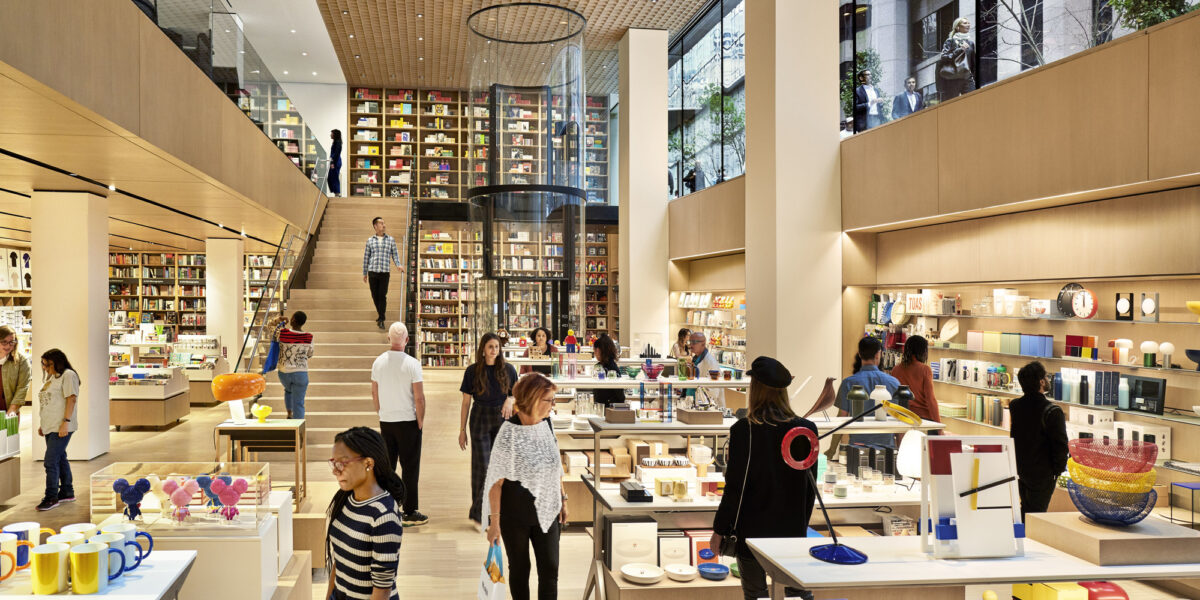
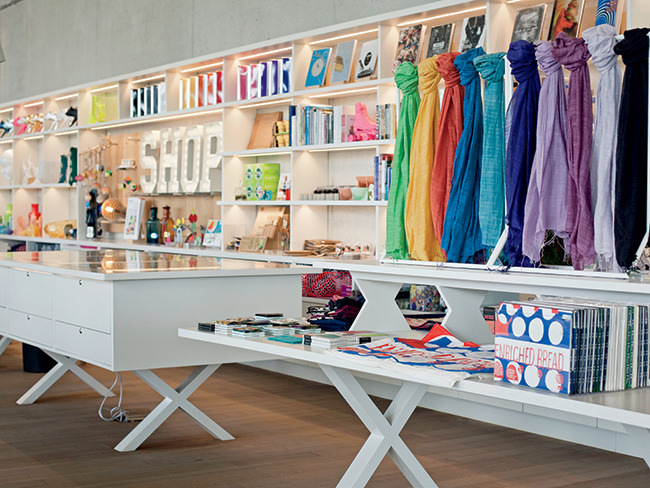
For cultural institutions like museums, zoos, and aquariums, retail operations are a crucial component of the visitor experience and a significant revenue stream. Beyond simply offering souvenirs, a well-curated retail program can enhance visitor engagement, reinforce brand identity, and contribute substantially to the institution's financial health. Strategic merchandising, effective inventory management, and a focus on unique, relevant products are key to transforming a gift shop into a thriving business.
Institutions can achieve higher per-capita revenue and visitor capture rates by emphasizing branded products, locally sourced goods, and items that resonate with exhibitions or the institution's mission. This approach not only boosts sales but also enriches the visitor's overall experience, making their visit more memorable and encouraging repeat visits and stronger community ties.
The Importance of RFP Processes in Retail Consulting
A Request for Proposal (RFP) process is a critical step for cultural institutions when seeking external expertise, especially in areas like retail consulting. A well-structured RFP ensures that potential consultants understand the institution's specific needs, goals, and challenges, allowing for a fair comparison of proposals. This structured approach helps in selecting a partner who can deliver the most effective solutions for retail operations, from merchandise selection to operational strategy.
A failed or poorly managed RFP process can lead to suboptimal outcomes, wasted resources, and frustration for all parties involved. Key elements of a successful RFP include clearly defining the scope of work, outlining evaluation criteria, and providing a realistic timeline. This diligence is essential for securing a retail consulting partner who can truly enhance revenue and visitor experience.
Leveraging Technology for Enhanced Retail Experiences
Integrating technology into a retail program is no longer an option but a necessity for cultural institutions aiming to stay competitive and meet evolving visitor expectations. From e-commerce platforms that extend the reach of the gift shop beyond physical walls to in-store technologies that personalize the shopping experience, innovation is key to success.
Technologies such as point-of-sale (POS) systems, inventory management software, customer relationship management (CRM) tools, and even augmented reality (AR) can significantly improve operational efficiency, provide valuable customer insights, and create engaging shopping environments. An online museum store, for instance, can greatly expand sales potential and accessibility for a global audience.
Strategies for Effective Retail Merchandise Consulting
Retail merchandise consulting offers specialized expertise to help cultural institutions optimize their product offerings and sales strategies. This involves a deep understanding of the target audience, the institution's brand, and current retail trends to curate a product mix that resonates with visitors and drives revenue.
Key learnings from retail consulting often highlight the importance of aligning merchandise with exhibitions, the institution's mission, and local relevance. Whether focusing on logo-branded items, locally made crafts, or unique collectibles, the goal is to create a cohesive and appealing retail experience that enhances visitor satisfaction and financial performance.