
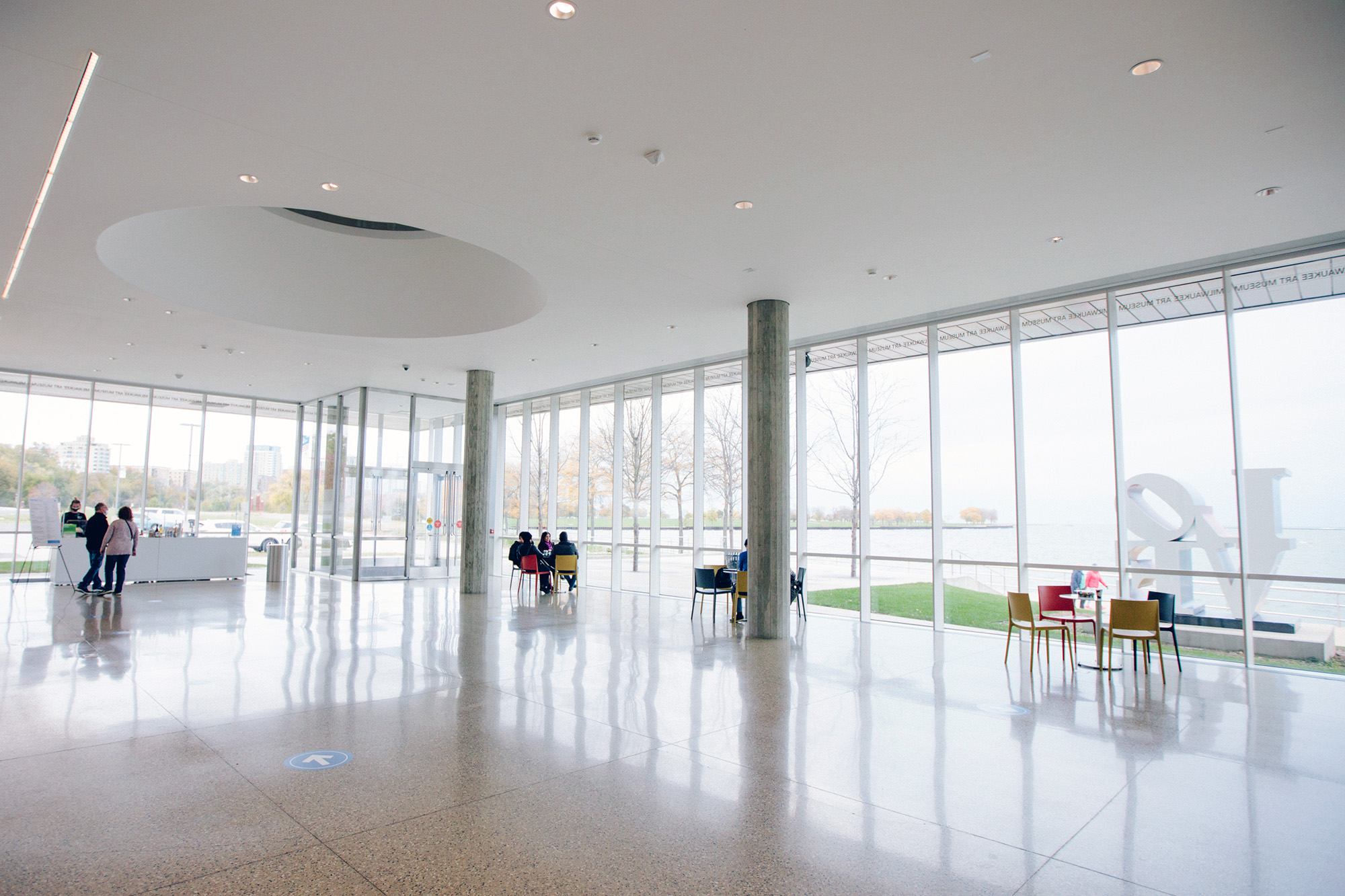

Helping Higher Education Institutions with Back to School Dining Operations
As colleges and universities head into a new academic year, food service programs face familiar pressures: enrollment uncertainty, staffing shortages, and evolving student expectat
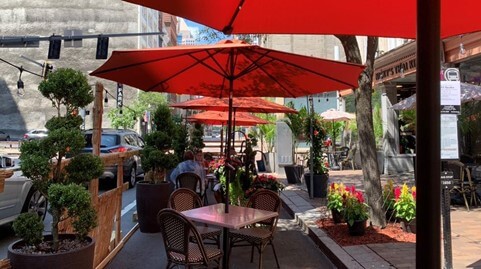
The COVID Response from the Pittsburgh Service Industry
With all that has been going on over the past few months, one thing is clear; everything is dependent on how you respond to the pandemic. That remains true for the countless bars a
JGL WEBINAR: The Next Normal – Strategies for Re-Opening Your Corporate Café
As the United States begins to reopen for business in the coming weeks, many of our B&I clients are still looking at how best to balance the safety of their employees while sti
Re-Opening Your Corporate Cafe
After two months of working from home, many businesses are looking at re-opening their offices and employee cafeterias. Corporations and food service operators are developing compr
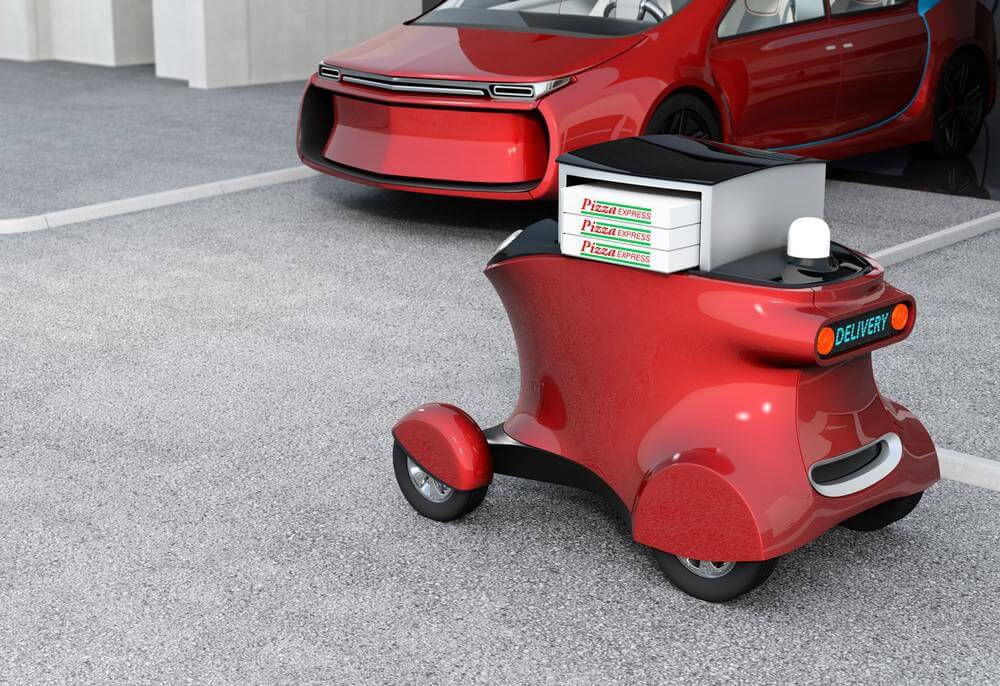
The Evolution of Foodservice Technology
The role of technology in the hospitality industry has been hotly contested for some time. While inventory and data management systems have become commonplace because of their abil
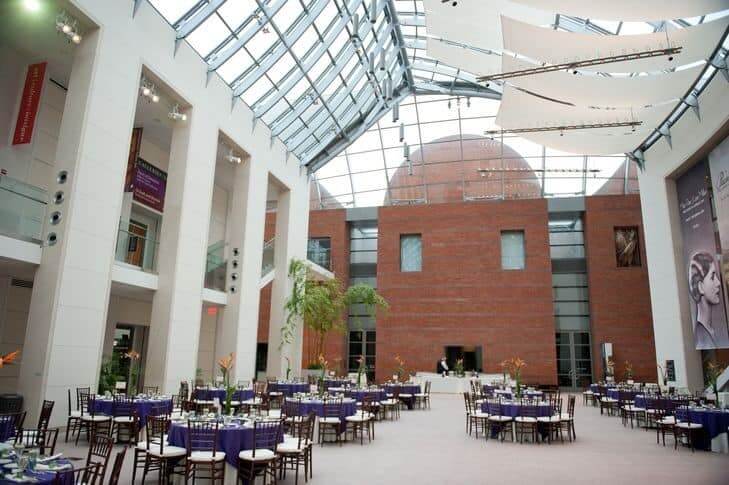
Finding the New Normal in the Event Industry: How acting now can help your business in the future
JGL hosted a webinar on Friday, April 10, 2020 with a panel of experts to address how the event rental business is trending currently, what can be done now to help facilitate a pos

Finding the New Normal
As I stand in my home office on March 18 (I have a standing desk), I look outside and see signs of spring which provides some hope. The last two weeks in the US, and the weeks befo